Innovation in Action: Co-Creating Sustainable Futures with Community-Led Initiatives
The Tale project bridges adult learning and education (ALE) institutions with green grassroots initiatives to foster sustainability and transformative learning in Europe. Central to the project are innovation groups, collaborative spaces where ALE institutions, learners, and grassroots community organisations come together to co-create solutions for the green transition.
Operating across six European countries, Finland, Germany, Austria, Hungary, Greece, and Switzerland, the project aims to build capacity for sustainability while empowering local communities. Through participatory learning activities, these groups tackle environmental challenges, create awareness and skills for and envision a more sustainable future.
Green Initiatives as Partners for Change
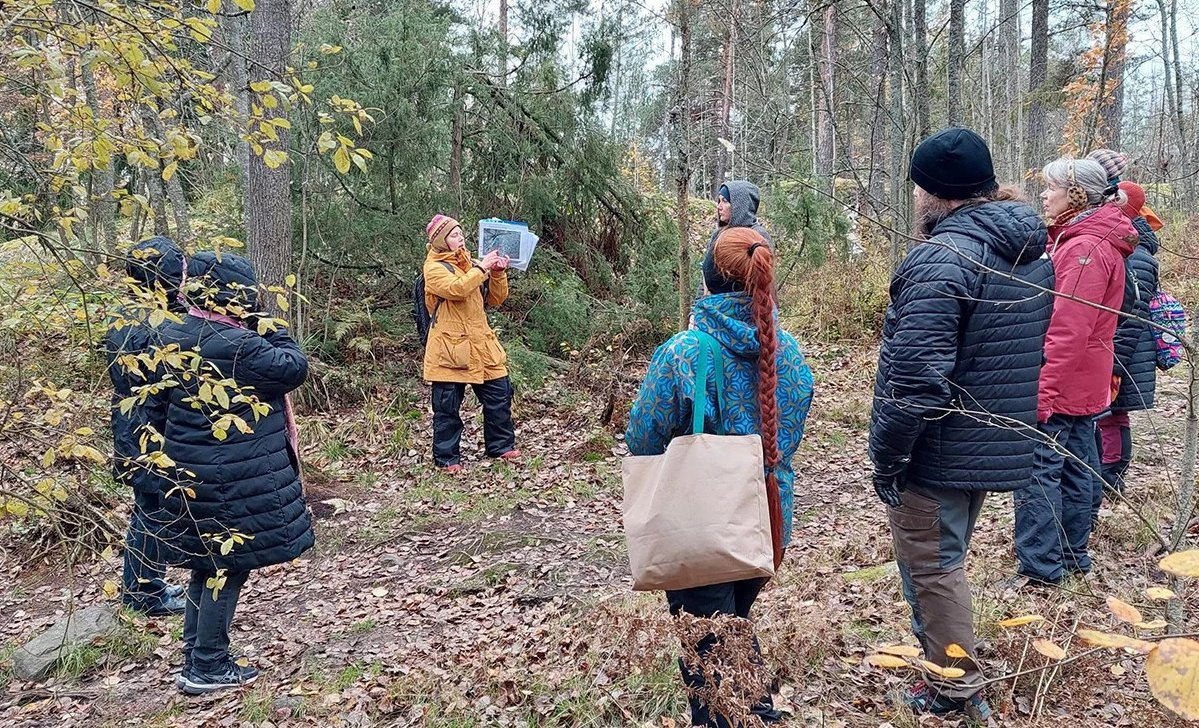
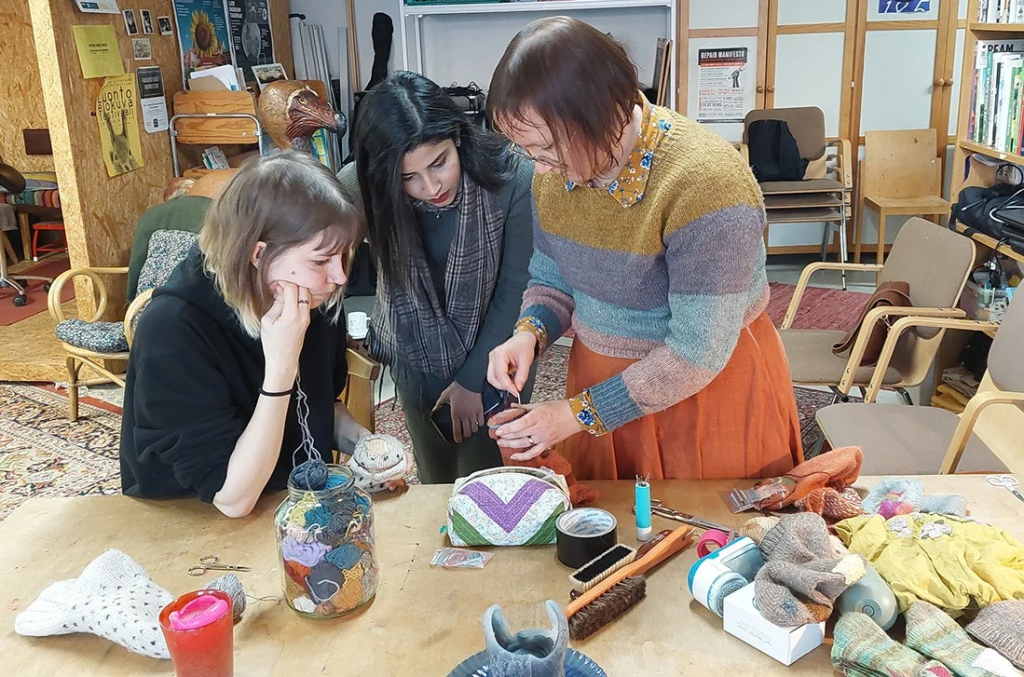
The Tale innovation groups demonstrate the power of local cross-sector partnerships in fostering sustainable practices. For example, in Finland, the Kvs Foundation collaborated with the Kivikko Forest Protection Network and Dodo, which focuses on urban sustainability in Helsinki. Activities of their innovation group included forest protection workshops emphasizing biodiversity and circular economy events encouraging “repair and reuse” mindsets. In Switzerland, SVEB partnered with SILVIVA, an environmental education group, and Grünhölzli, a Zurich community garden, to deliver a workshop on seed diversity and sharing the “ecological handprint” approach, prompting participants to reflect on their contributions to environmental change and plan practical steps for enhancing ecological impacts in their communities.
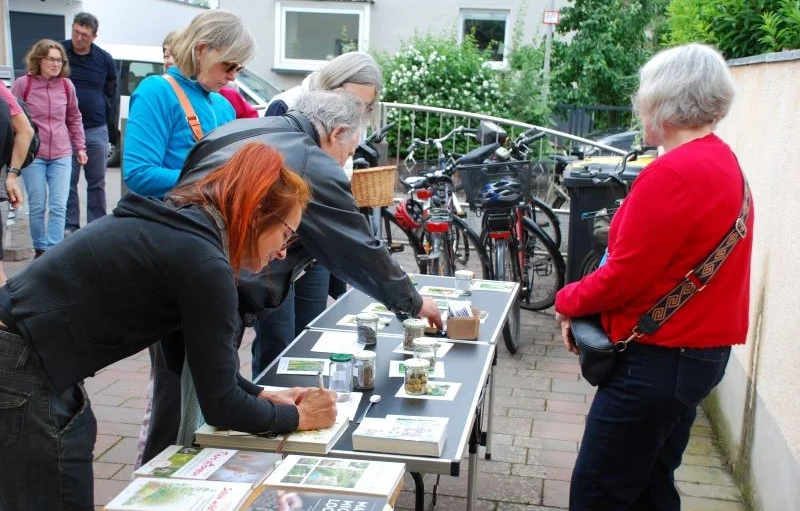
In Austria, the partnership of VHS Vienna with MILA, a participatory supermarket in Vienna, provided an opportunity to reconnect urban residents with traditional food preservation and fermentation techniques. Workshops on making chutney and kimchi underscored the importance of seasonal, local produce. In Groß-Gerau, Germany, a cooperation of the German Adult Education Association (DVV), the local adult education center (kvhs), and the grassroots initiative Klimaaktiv focused on climate-adapted planting to preserve biodiversity, combining local action with awareness-raising campaigns to inspire societal change.
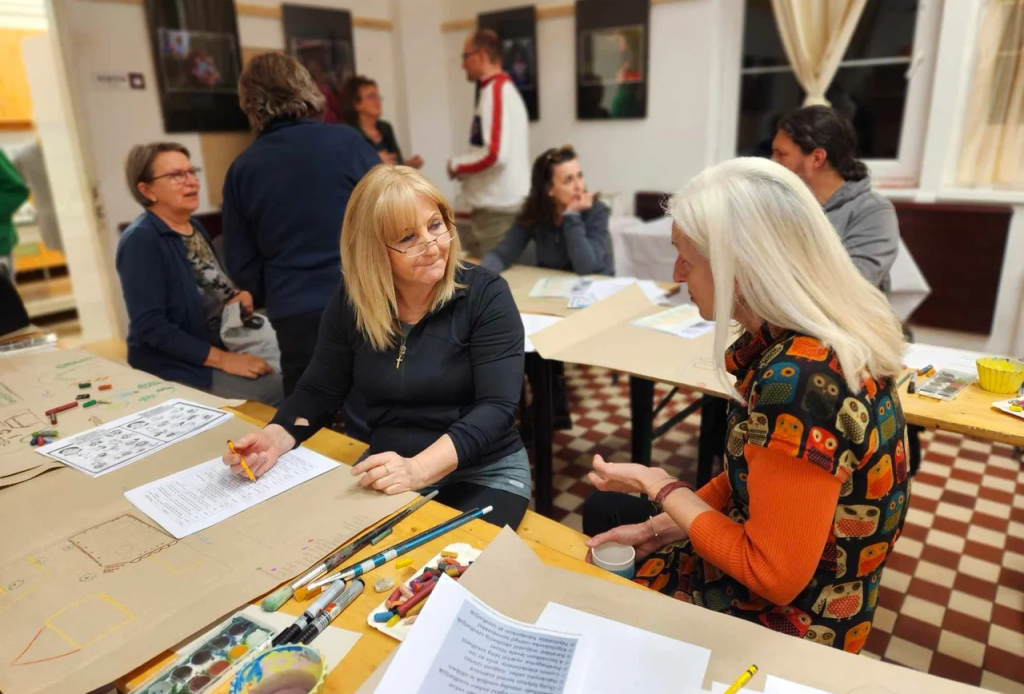
The Hellenic Open University has collaborated with green initiatives InCommOn, and BiosCoop in Greece and organised a virtual workshop on transformative learning for sustainability. Participants agreed that raising collective awareness of the environmental crisis is crucial for driving change. In Hungary, the Centre for Educators’ Association partnered with the local Gardener’s Club at Pécsbánya Community Centre and ran a workshop blending art therapy and gardening, highlighting how these activities can promote sustainable living. The workshop combined practical gardening planning, such as designing raised beds and herb spirals, with creative sessions using art therapy techniques.
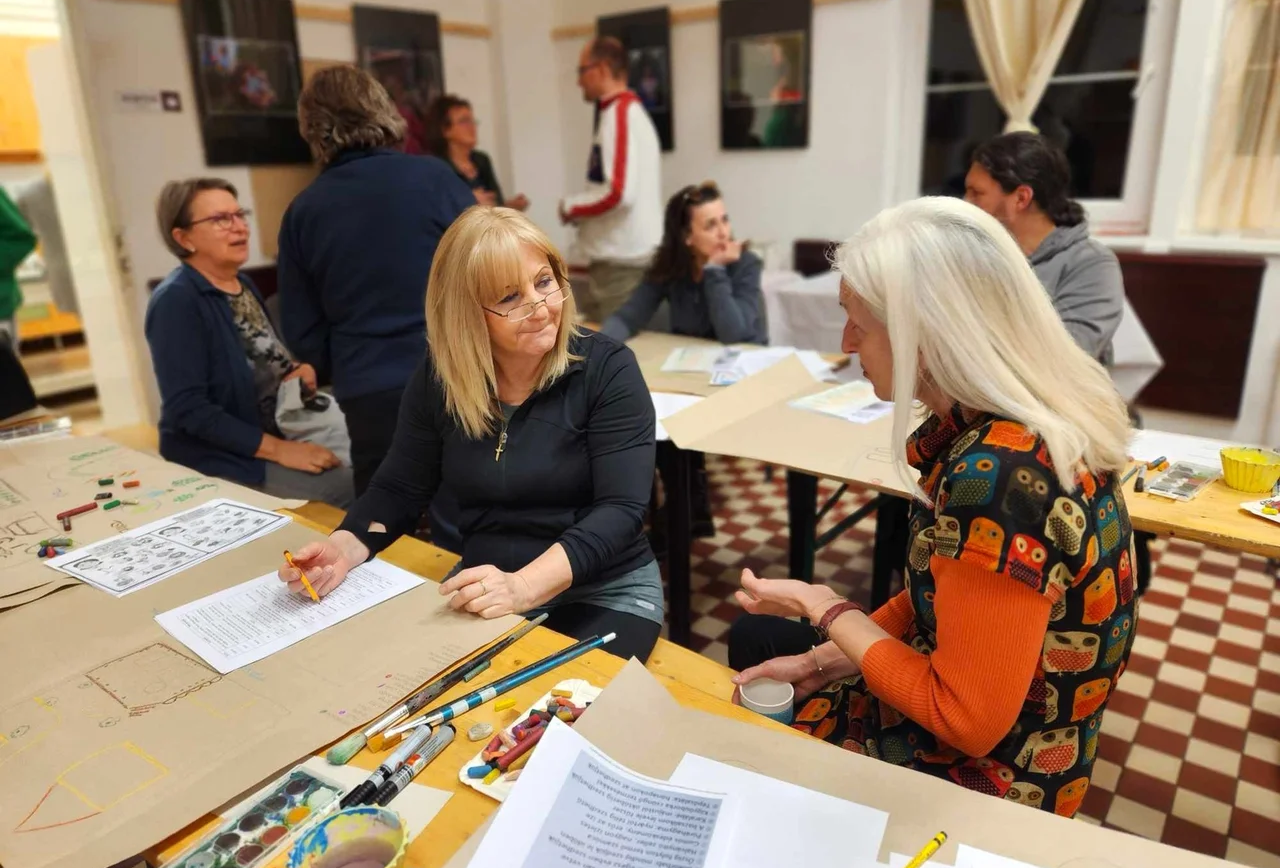
These partnerships showcase the diversity of approaches to sustainability, from urban gardening, forest protection, repair workshops, craftivism, from seed saving to cooperative supermarkets and local food, climate activism, arts and solidarity cooking to circular economy practices, all driven by participation and community engagement. Transformative learning was central to the innovation groups, enabling participants to deeply reflect, challenge existing norms, and envision new possibilities, gain novel perspectives and hands-on skills, and learn from peers. This transformative action-learning approach fostered creativity, collaboration, and critical thinking.
The innovation groups encountered challenges typical of cross-sectoral collaborations:
- Limited time and resources often constrain planning and implementation.
- Engaging diverse groups, particularly migrants or younger audiences, required additional outreach and tailored approaches.
- Aligning goals and ensuring mutual benefits between ALE institutions and grassroots organisations sometimes required extensive dialogue.
Toward a Greener Future Together
These insights underscore the importance of adaptability and patience in fostering meaningful partnerships. Regular in-person meetings and open communication were critical to fostering mutual understanding. Also, tailoring activities to different audiences increased accessibility and impact. Working with grassroots initiatives brought fresh perspectives to ALE institutions, enriching their programs and broadening their reach and relevance because more citizens are concerned and care about sustainability.
Despite challenges, the Tale innovation groups have already achieved meaningful results and showed potential for impact. New participants have been engaged and peer learning facilitated, such as the Hungarian partner organising their workshop in the outskirts of Pécs, where many elderly and disadvantaged people live who then shared their local edible plant knowledge or immigrants joining Finland’s forest walk and workshop. It has also increased sustainability awareness through co-created events, such as Austria’s food preservation workshops, and strengthened bonds between ALE institutions and communities, laying the groundwork for continued collaboration.
Looking ahead, these partnerships plan to expand their reach and deepen their impact. Planned workshops, ongoing peer learning, and the dissemination of transformative learning methods will ensure the lessons from Tale continue to inspire.
A Model for Socio-Ecological Transformation
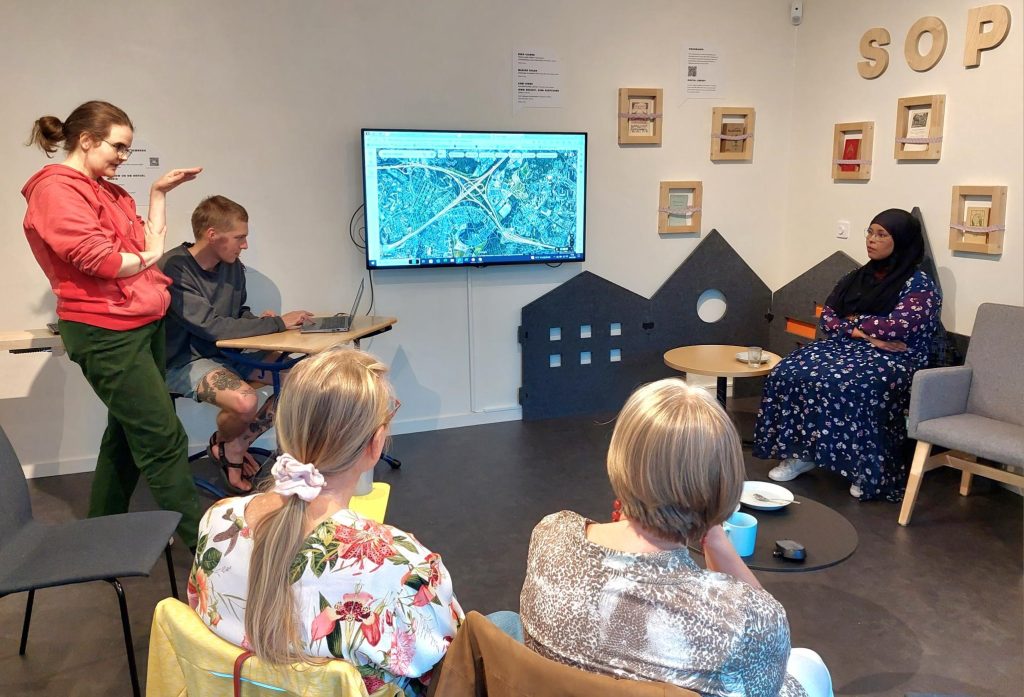
The Tale project highlights the transformative potential of partnerships between ALE institutions and green grassroots initiatives. By blending education with grassroots action, these innovation groups serve as a model for advancing the green transition through transformative action learning. We collected the project’s learnings, methods, inspiring stories, and good practices in this virtual toolkit, so other ALE institutions can draw inspiration from this approach, creating opportunities for learners and communities to work together toward a sustainable future.