
The power of 80 acres: Henbant’s story of collective action in Wales
Do you know what the power of 80 acres is? Neither did Matt and Jenny Swarbrick before 2012, the year they started the Henbant initiative. As many dreams, this one started small: the couple just wanted to create a smallholding, build a home, and become self-sufficient. But when the extension of the land made them realize it was possible to feed, shelter, and inspire many more people, that opportunity and responsibility led them on a completely different journey.
Henbant is not just a farm; it is a home, a community, and a living experiment in North Wales. Over the past decade, Matt, Jenny, and their growing team have turned 80 acres into a thriving ecosystem that produces real food, restores biodiversity, builds soil, and brings people together.
Today, Henbant is home to a community-led farm where fresh food is grown, skills are shared, and hundreds of visitors, students, and volunteers come each year to reconnect with nature and with each other.
Their mission is simple yet bold: to prove that a more abundant, joyful, and resilient world is possible, and to give others the inspiration and tools to create it in their own places.
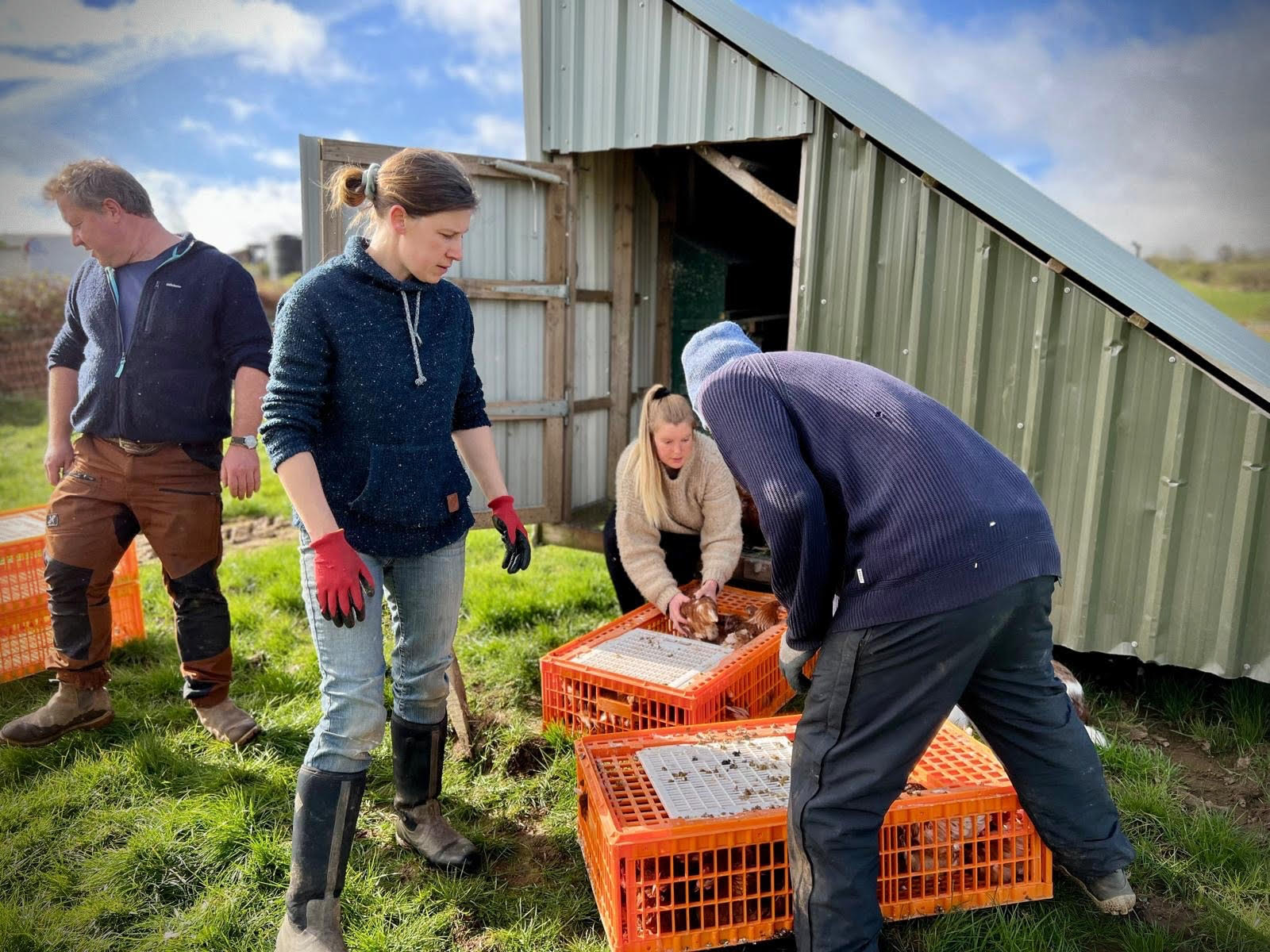
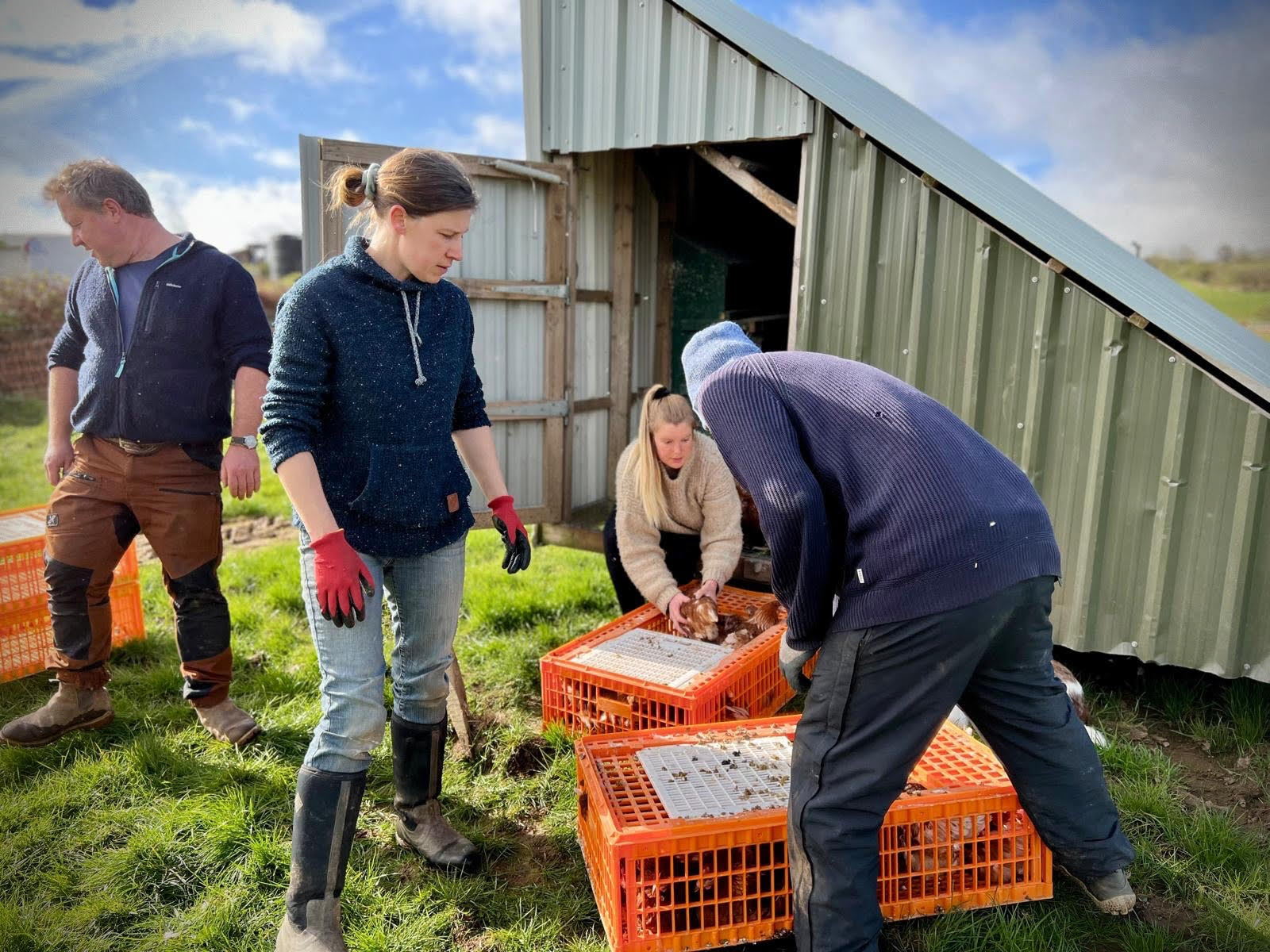
But creating that world has never been easy. For Henbant, the hardest part isn’t growing food or restoring soil: It’s navigating the human and financial challenges of running a community-based farm.
People are at the heart of Henbant. Dozens of volunteers, trainees, and staff live and work together, balancing relationships, responsibilities, and resilience on a daily basis. When things go well, the energy is inspiring. But when communication breaks down or resources are limited, even small tensions can ripple out and make daily life difficult.
Money is another constant challenge. Producing high-quality, nutrient-dense food in regenerative ways takes time and care. Yet the prices in supermarkets rarely reflect the real cost of that work. And they can’t pay people fairly or keep their systems thriving without better structural support.
This is where policy comes into play: without the right support, the full power of Henbant, and hundreds of other small farms across Europe, is held back.
The impact of these struggles is deeply felt. The work is exhausting, and financial stress makes it harder to hold on to skilled people. Volunteers leave inspired, but the farm itself often feels like it is held together by passion alone.
And yet, when schoolchildren come to Henbant, when volunteers share food, when young farmers gain the confidence to start their own projects, the emotional rewards are immense. Henbant becomes more than a farm: it becomes proof that another way of living is possible.
This is what resilience looks like from the ground up. Communities are already stepping up, creating local solutions to global crises. But without fairer laws and policies, their efforts remain fragile.
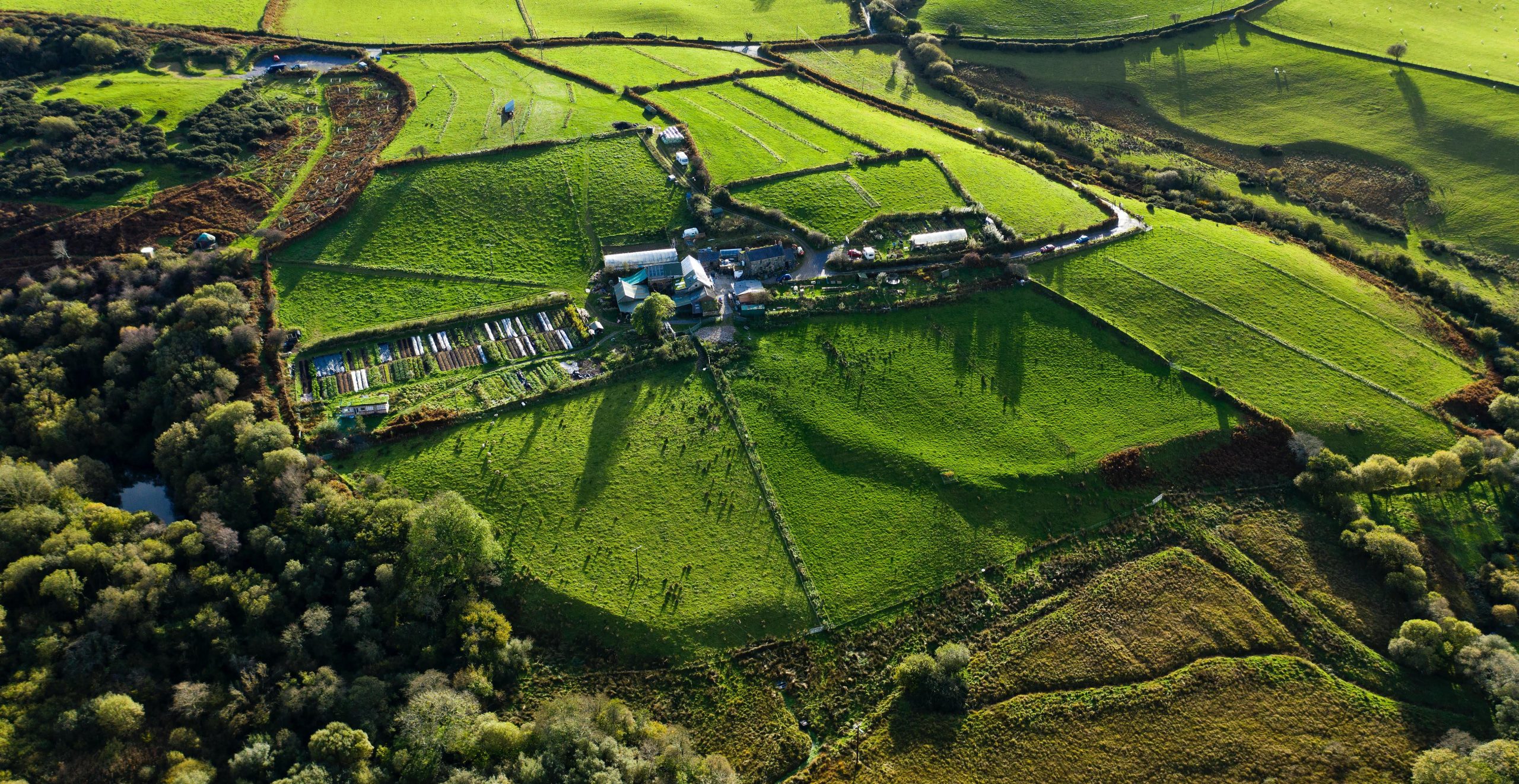
Henbant shows us the way forward. Their agroforestry and regenerative grazing systems increase biodiversity, store carbon, and make the land more resilient to droughts and floods. Solar panels provide clean energy.
Nearly all food is sold within a 20-mile radius, strengthening the local economy while cutting emissions. And, every year, 45 new trainees leave Henbant ready to create their own regenerative projects.
But to unlock the full potential of farms like Henbant, they call policymakers to act. Strong policies could:
- Introduce universal basic income for growers, ensuring fair support for those producing essential food.
- Invest in social prescribing, so more people can benefit from farming and food for their health and wellbeing.
- Improve local markets for small producers, so farmers spend more time growing and less time marketing.
- Ease housing restrictions for farm workers, ensuring safe, permanent accommodation for the people who care for the land.
These changes would not only support farms like Henbant, but also give every community in Europe the chance to live well, without harming people or the planet.
Henbant proves, every day, that farming can be a source of joy, abundance, and resilience. They show that it is possible to grow food in ways that heal biodiversity, restore soils, store carbon, and create meaningful livelihoods. But they also remind us that communities cannot do this work alone.
With the right support–fair payments, access to land, and policies that put people and ecosystems first–communities everywhere can thrive. Together, we can weave a resilient, life-supporting landscape for ourselves and for generations to come.
Henbant’s hope is simple: that their 80 acres inspire others to plant their own seeds of change. And if enough of us do, we will discover the true power of collective action–and the beautiful future it can create.
If you want to know more about Henbant, don’t miss their training courses, such as “Becoming a Regenerative Farmer Training”.
Henbant’s call for fair policies echoes a growing movement across Europe. Community-led farms, food cooperatives, and local governments are already showing how to restore soil, support farmers, and nourish people—yet their work remains under-recognised in EU decision-making.
These are exactly the questions we’ll explore at our upcoming policy dialogue “Housing and Food: Communities and Local Governments Driving Fair Sustainability Transitions,” 6 November 2025 at the European Economic and Social Committee in Brussels.
Join us to discuss how EU policy can care for our land, soil, and farmers, and help initiatives like Henbant flourish.
This story is part of the European Day of Sustainable Communities campaign. Follow the full content on our Instagram account!
