
Sunseed Desert Technology and the river that holds the community together
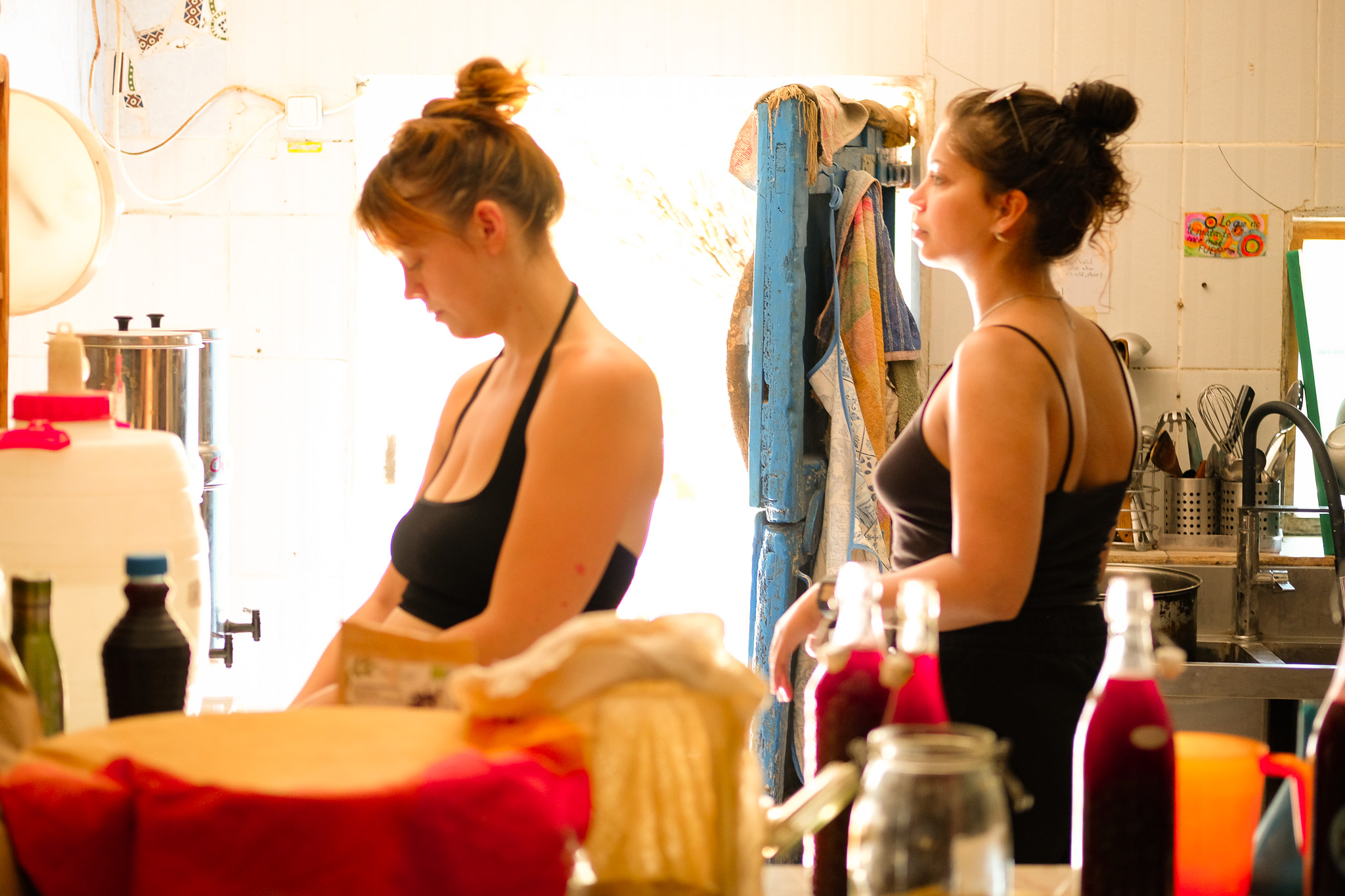
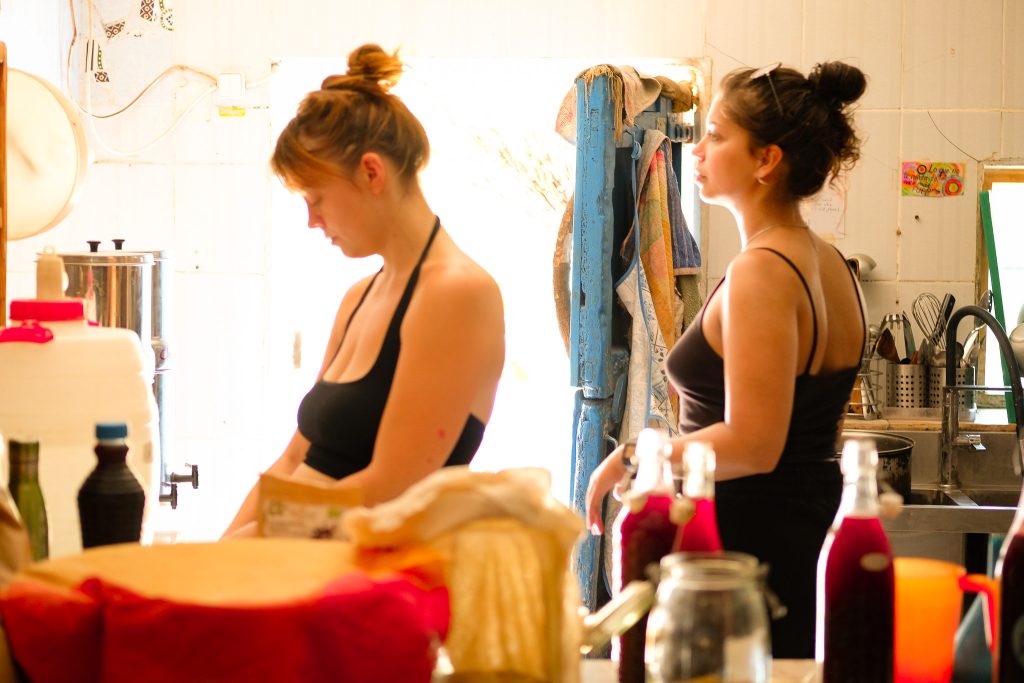
In the small Andalusian off-grid settlement of Los Molinos del Río Aguas (Sorbas, Spain) lies Sunseed Desert Technology, a community that has been teaching and experimenting with regenerative living since 1986. What began as a research project led by a group of British biologists has evolved into a non-formal educational hub where people from across Europe come to learn how to live in balance with the planet.
Sunseed is not a permanent but a transient community: volunteers, interns, and coordinators arrive for weeks, months, or sometimes a couple of years. But all are united by one thread: the river. El Río Aguas is the lifeline that sustains not only the 50 residents of Los Molinos including the 15 to 30 Sunseed temporary inhabitants, but also thousands of people and countless species in the surrounding region.
The problem is that the river is disappearing.
The fossil water that has supported life here for generations is being drained at an alarming rate by industrial olive plantations. These monocultures, with their illegal deep wells, extract water at four times the sustainable level. In only a few years, the river’s flow has dropped by 37 litres per second.
The threat is visible in the surrounding villages. Pueblo-Gochar, once home to a hundred people, had only four residents left by 2016. Without change, Los Molinos faces the same fate: abandonment.
Local groups, including Ecologists in Action, Mediterranean Ecologist Group, and Sunseed itself, have sounded the alarm for years. In 2017, the case was even brought before the International Tribunal for the Rights of Nature, recognising that El Río Aguas was facing an ecocide. Still, political authorities have failed to act.
The consequences reach far beyond numbers. For the people of Los Molinos, it means living with fear and uncertainty: Will there be enough drinking water next year? Will Los Molinos families be forced to leave their homes? Will a project like Sunseed be able to survive without the river that sustains it?
It also means grief. Grief for the river itself, for the birds that nest in its reeds, for the unique flora and fauna that depend on this semi-arid ecosystem, and for the cultural heritage that risks being erased alongside the water. Yet the community refuses to surrender.

What they demand is clear: recognition of water as a subject of rights. If water had legal rights, it could not be stolen to exhaustion, poisoned by chemicals, or ignored in courtrooms.
Until such policies are in place, Sunseed continues to act. Every year, they organise the Festival en Defensa del Agua, where music, art, and workshops bring people together to defend the river and celebrate the possibility of living in harmony with nature. These gatherings have become a beacon of awareness, spreading knowledge and inspiration far beyond the village itself.
The lesson is simple but urgent: communities across Europe are already stepping up, proving that it is possible to live well while protecting the planet. But without strong policies, their efforts are constantly undermined.
A good life – where people thrive without destroying ecosystems – depends on laws that defend nature and its most basic element: water.
Sunseed’s message to policymakers is direct: listen to the communities, protect the rivers, and give water the rights it deserves.
And their invitation to the world is hopeful: join them. For nearly four decades, Sunseed has been sustained by people who came to learn, to give, and to protect. The river still flows, but only collective action can ensure it keeps flowing for generations to come.
Sunseed’s defence of the Río Aguas shows what’s at stake when water and ecosystems have no legal protection. Across Europe, rivers, forests, and soils face the same threats.
Now we have a chance to change that. The EU’s new environmental crime directive is a start, but it only covers a limited list of activities. To truly safeguard nature, EU countries must go further—by recognising ecocide as a standalone crime in national law.
👉 Join the call to your national government to adopt a broad ecocide law and support its recognition at the International Criminal Court. Together, we can help rivers like the Río Aguas flow freely for generations to come. Sign the petition.
Sunseed has some open vacancies. Check them out!

This story is part of the European Day of Sustainable Communities campaign. Follow the full content on our Instagram account!
