
Keeping the Community Alive: The Women of Tabadol
Written by: The Tabadol Team
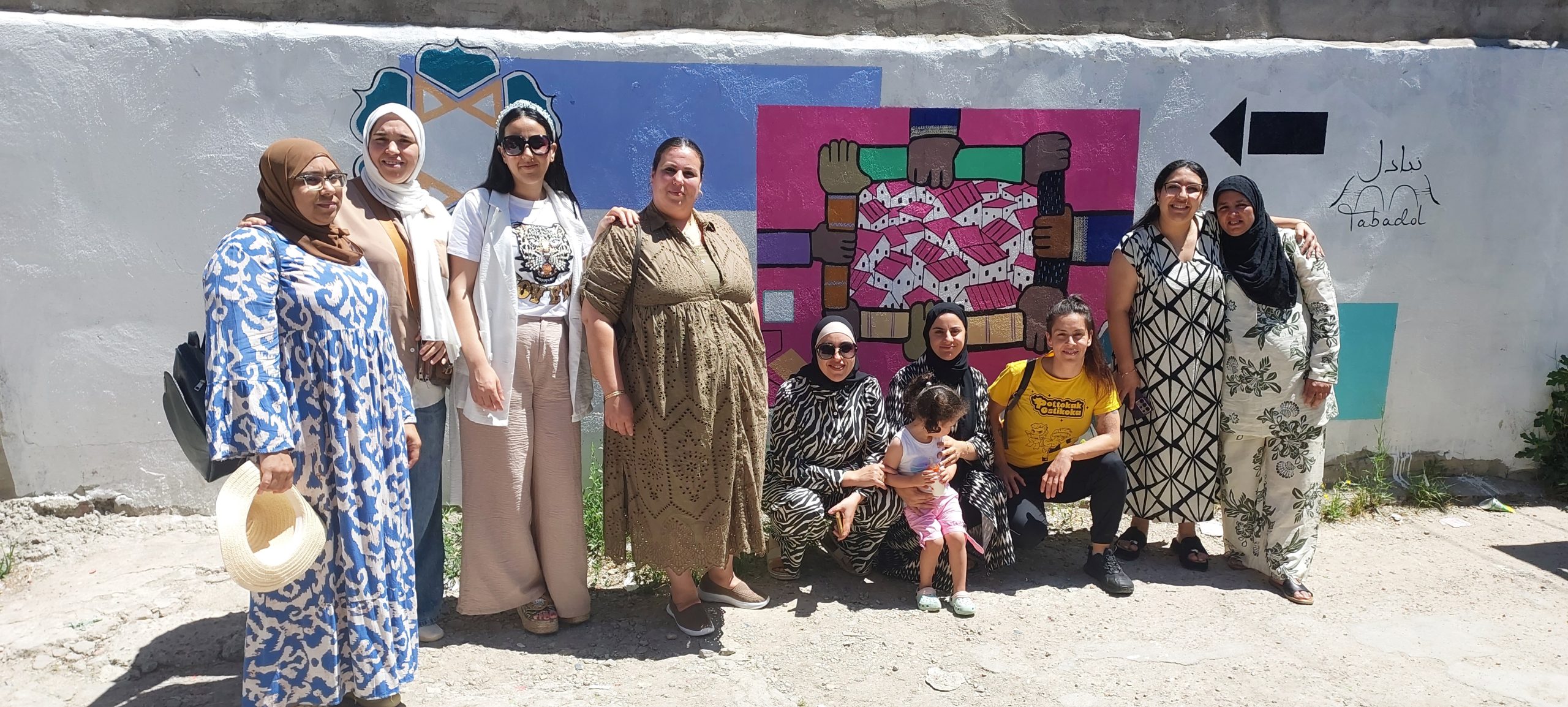
Tabadol was born from a very real need. In 2013, a group of Moroccan women living and working in Cañada Real, Madrid, decided to create a space where women could meet, support each other and feel less alone. Many migrant women were living in isolation. Finding information, accessing training or employment, taking part in social life or simply knowing where to ask for help was not always easy. Many of us did not know our rights or the resources available to us. This often made us feel invisible. We wanted to create a safe space made by women and for women. A place where we could trust each other, share what we knew and help each other move forward.
Over the years, Tabadol has grown. We organise training, community activities and spaces for participation and mutual support. We have also started to work more around sustainability because, for us, social inclusion and caring for the environment belong together.
But our community continues to face very difficult conditions. In parts of Cañada Real, we have been living without electricity for almost six years. In October, it will be six years since the electricity was cut off. More than 4,000 people are affected, around half of them children.
The lack of electricity changes everything. For families, everyday tasks become much harder. For women, the impact is even greater because we are often the ones responsible for caring for children and other family members and for keeping everyday life going. During the summer, homes cannot be properly cooled. During the winter, heating becomes a problem. Keeping food, doing laundry, charging a phone or helping children with their studies can become difficult. The lack of electricity also affects people’s health, education and opportunities.
It is exhausting. It creates fear, frustration and insecurity. Sometimes it feels as if nobody is listening. And yet, women in Cañada Real continue to organise, care for each other and look for ways forward.
Tabadol is an important part of that support network. For many women, the association is much more than a place where activities take place. It is a place to meet other women, ask for help, share worries and find support.
The support of our neighbours and of other organisations has been essential. Small grants have allowed us to organise activities and create spaces where women can learn and meet. Working with other organisations has also shown us how much we can achieve when we share knowledge and work together.
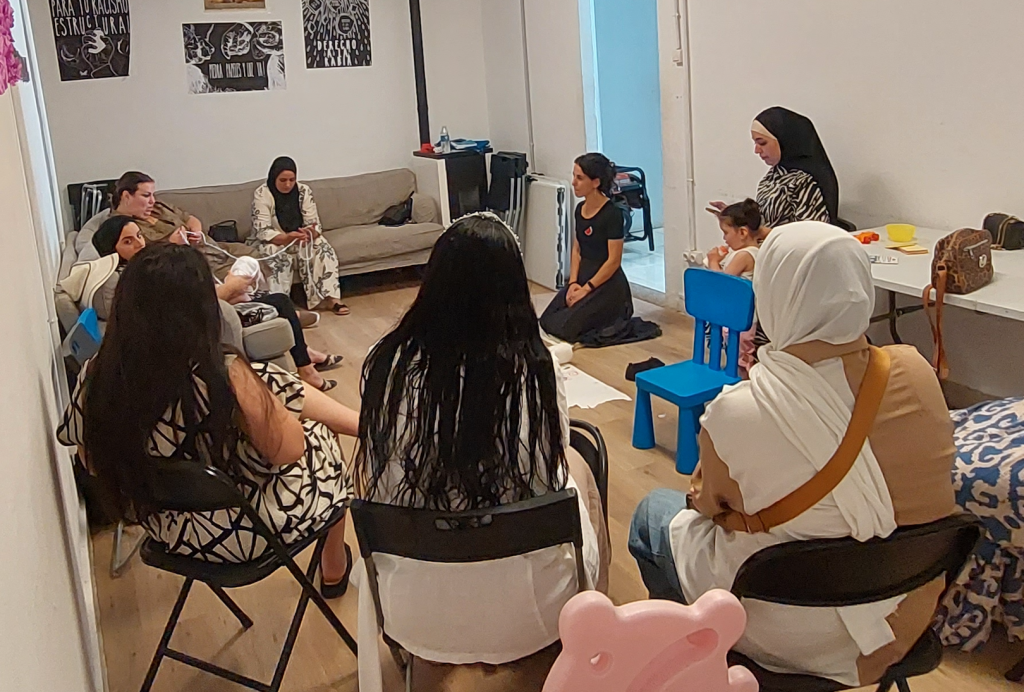
This is why our collaboration with Lasgaya and SolenCoop through the Regenerative Communities Fund has been so important. Together, we have started a process with women from Tabadol around energy sovereignty, the Social and Solidarity Economy, community governance and renewable energy. The workshops give us the opportunity to talk about our own experiences and learn things that can be useful in our everyday lives.
We are learning about renewable energy and how to use and maintain solar panels safely. We are also talking about how we make decisions together, how we organise ourselves and how we can create new opportunities for women. For us, learning about energy is not only about technology. It is also about having the knowledge and confidence to participate in decisions that affect our lives.
Small changes are already visible. Women who arrived feeling insecure are now taking part in activities, speaking in public, organising things and supporting other women. Some women who once needed help have become volunteers and a source of support for others. We have also seen families adopting small sustainable habits. They are reducing waste, recycling more, taking part in urban gardens and learning how to save energy at home.
These may seem like small things, but when they are repeated by many people, they can
make a real difference. During one of our workshops, we talked about our dreams for the future. We imagined a community space that could be bigger and offer more activities, including a place for children. We talked about expanding our solar installation and adding batteries so that we could have electricity throughout the day. We also dreamed about having collective transport, because getting outside Cañada Real is difficult for many families.
Work and economic independence also came up. Some women have experience making traditional Moroccan sweets and catering for events. Others would like to train as photovoltaic installers. We are exploring how a workers’ cooperative could create employment opportunities and help women become more economically independent.
Many of these ideas could come together through a Community Energy initiative. We see it as an opportunity to work towards greater energy autonomy while strengthening the community and creating new possibilities for women. Renewable energy can be part of the solution to what we are living in Cañada Real. But the energy transition will only be fair if it reaches the people who are usually left out of these conversations.
We want policymakers to listen to women living in situations like ours. We need policies that recognise our reality and allow communities to take part in finding solutions. Women, migrants and families living in vulnerable situations should not be seen only as people who need help. We also have knowledge, ideas and the capacity to lead change. Tabadol started because a group of women needed a place to support each other. More than ten years later, that need is still at the heart of what we do.
We want people to remember that Cañada Real is not only a community without electricity. It is a community where women continue to care, organise and build hope despite very difficult circumstances. We believe that change begins when people feel heard and realise that they can do things together. For us, every woman who gains confidence, learns something new or helps another woman is already part of that change. And when women come together, even in the darkest moments, there is always a way to keep the community alive.