Inspiring Good Practices and Progress Update about Communities for Climate (C4C)
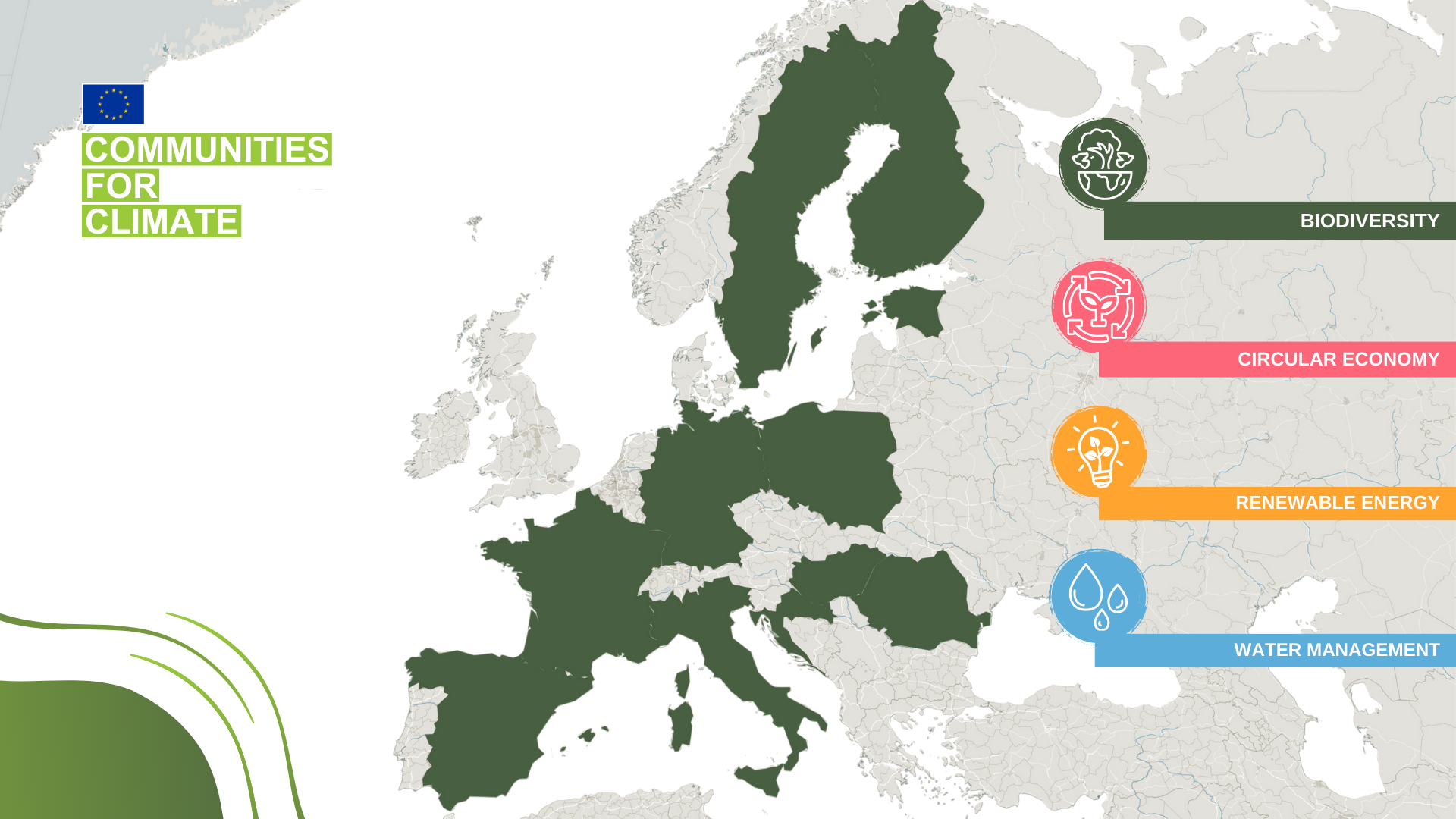
This year, we have been implementing Communities for Climate (C4C), a pilot action of the European Commission DG REGIO that empowers and supports 50 local community-led projects in eleven European countries: Croatia, Estonia, Finland, France, Germany, Hungary, Italy, Poland, Romania, Spain, and Sweden. Selected communities are accompanied during the realisation of new, innovative ideas for collective action and citizen engagement to address climate and sustainability issues in four thematic areas: biodiversity and nature-based solutions, sustainable water management, circular economy, and renewable energy.
Now, the project is fully underway, and the 50 C4C communities are bringing creative, community-driven ideas to sustainable actions and demonstrating how local action can make a big impact, to respond to environmental and climate challenges. The projects receive tailored support and capacity building by community facilitators and thematic experts to develop and implement their project, to become replicable models for others willing to engage in community climate action and local resilience. On-the-ground support to communities includes on-site visits by experts and study visits to demonstrators, which are already successful sustainable community-led initiatives. We share key achievements from the first 6 months and inspiring, practice examples across all 4 thematic areas.
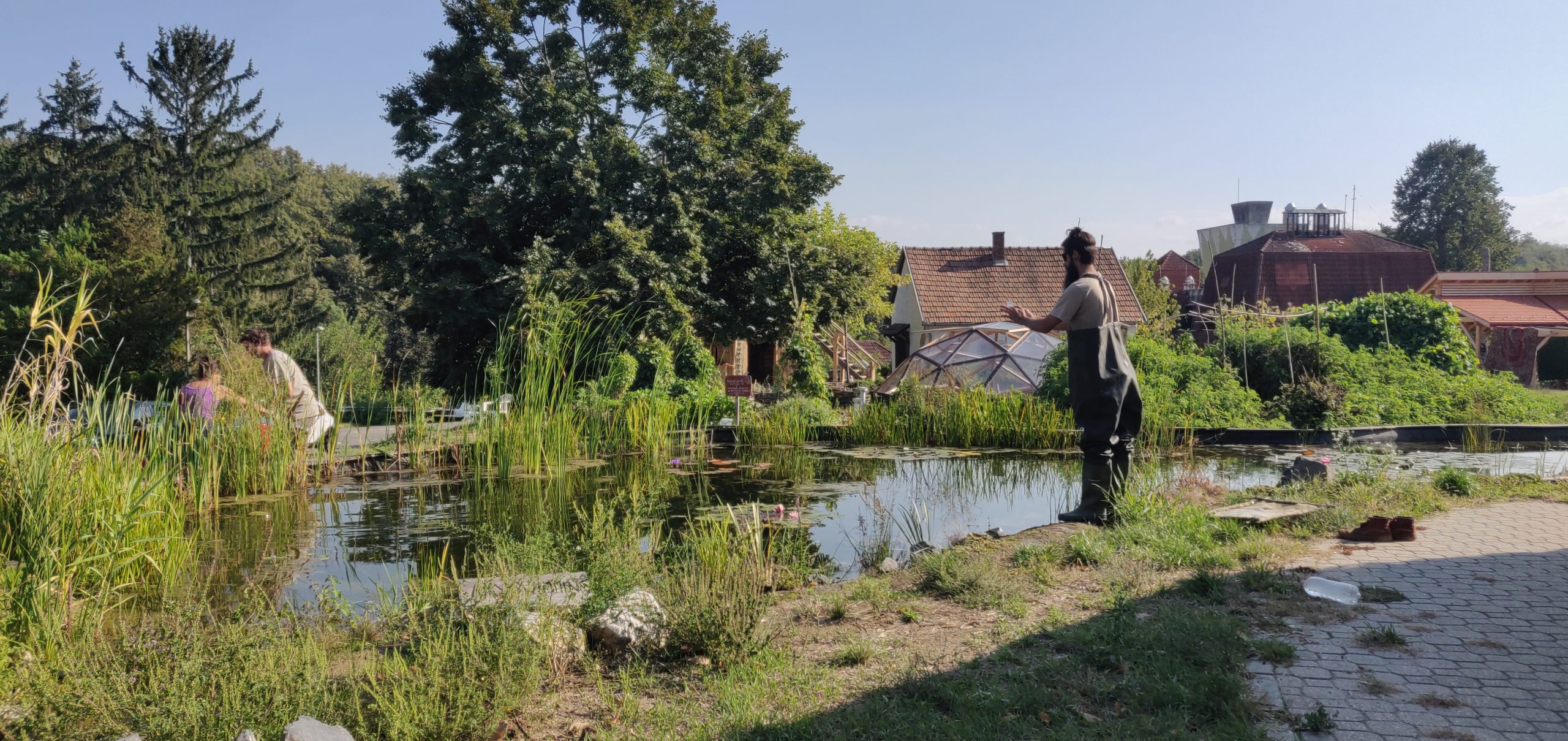
In the Nature and Biodiversity theme, 18 projects are working to preserve natural habitats, restore degraded ecosystems, and promote regenerative farming. Agroforestry Centre in Sieben Linden, Germany, had a successful on-site visit of the thematic expert giving practical advice and support for agroforestry implementation, and inspiring the whole ecovillage of 150+ inhabitants to adopt it as an integral part of their entire land planning. They integrate alley-cropping on a 17-hectare field, planting fruit trees, and hosting events to promote agroforestry regionally. With support from the C4C facilitator, they successfully acquired funding, and will employ somebody in early 2025, but unfortunately received less money than needed to realise the project and will continue fundraising efforts. Other biodiversity initiatives focus on creating pollinator-friendly zones and heirloom seed banks, adapting syntropic agriculture, (public) forest gardens, developing community-supported agriculture, urban gardening, rewilding practices, and encouraging communities to preserve local ecosystems and wetlands.
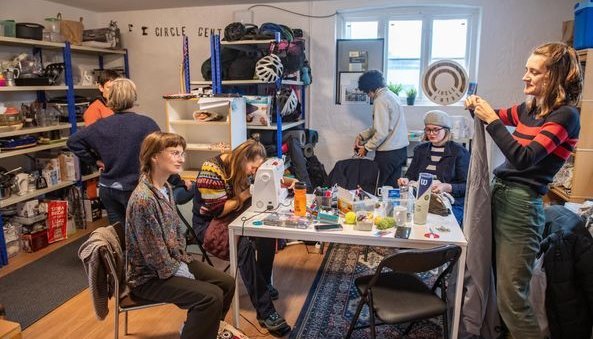
On the Circular Economy front, 9 projects are helping communities rethink resource use, reduce waste, and develop local economies and green skills. The “Circle Centre” in Lund, Sweden, offers a “library of things” where people can borrow items like tools, cutting down on new purchases and promoting resource sharing. They received support from the community facilitator to write a good application for a national fund, make a budget, describe an innovative project idea, and think about employees (so far it was just volunteer-run). They are in dialogue with the local municipality about securing a long-term physical space and made an application for scaling out (not up as bigger space and rent means more economic pressure) and collaboration with other already existing places like ordinary libraries or other common places. Other projects teach valuable repair skills, offer urban agri-cultural spaces for community building, innovate sustainable fashion, harvest fruits in urban areas, and transform them into delicious products running gleaning events or campaigning for zero waste.
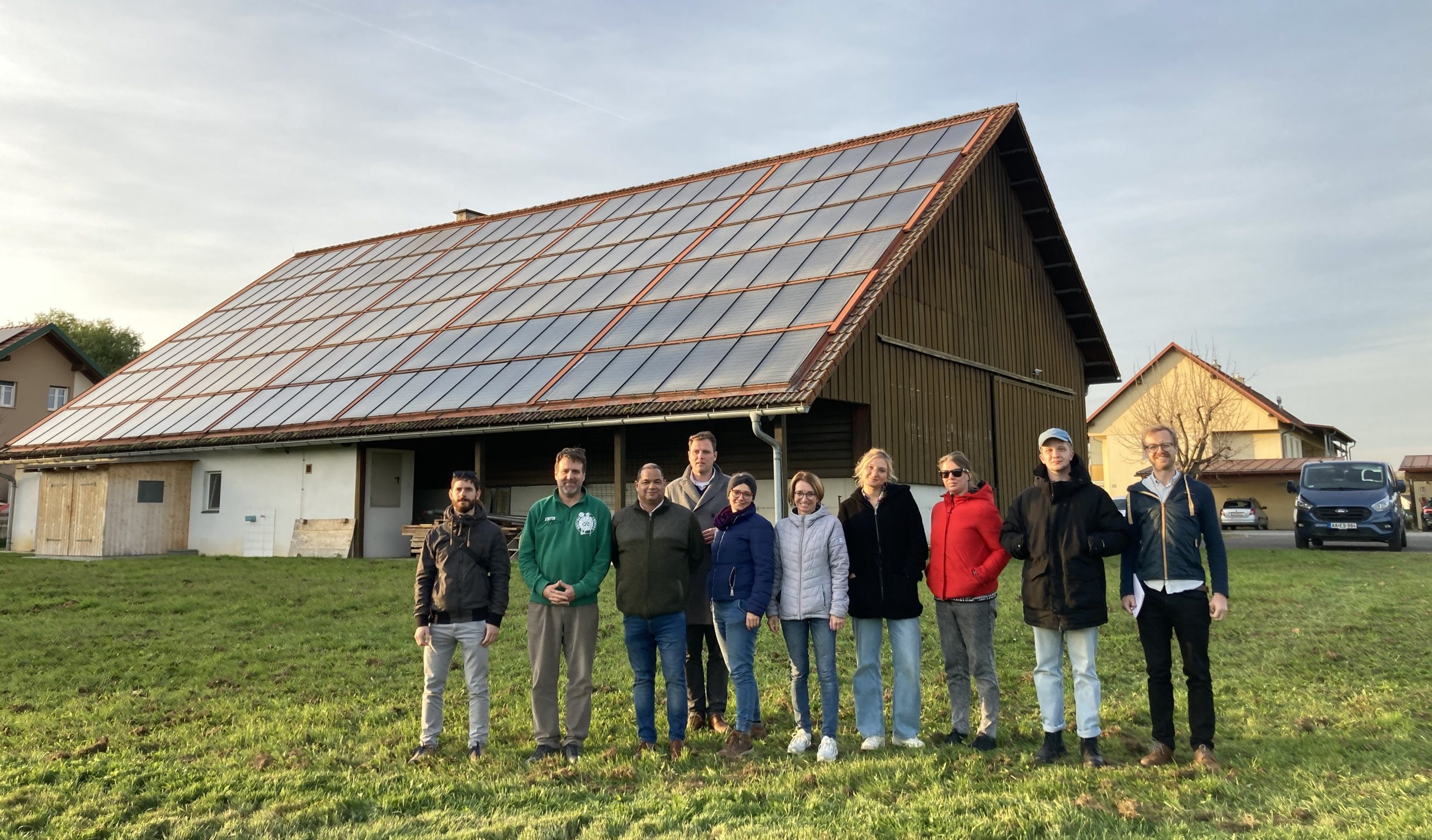
Renewable Energy projects are creating accessible, local energy production and distribution solutions, reducing dependence on fossil fuels while making energy more democratic. These 13 initiatives are expanding renewable access and helping communities take control of their energy futures. A wonderful achievement of the Tizamente community has been to become a registered energy community, officially the 7th in Hungary. They focus on understanding and responding better to the local energy poverty situation. Organised by the community facilitator, they did a study visit with both Hungarian energy communities to Güssing, Austria, which is a model of innovative energy initiatives, and 3 Hungarian sites: a community heating plant in Pornóapáti, a village in Nagypálithat is building a fully renewable energy village, and a community-owned wind farm in Vép. Other energy projects include building a network of electric vehicle charging stations to support clean transportation, developing energy communities in cooperation with local municipalities, and setting up a biogas plant to process farm waste or solar systems on rooftops.
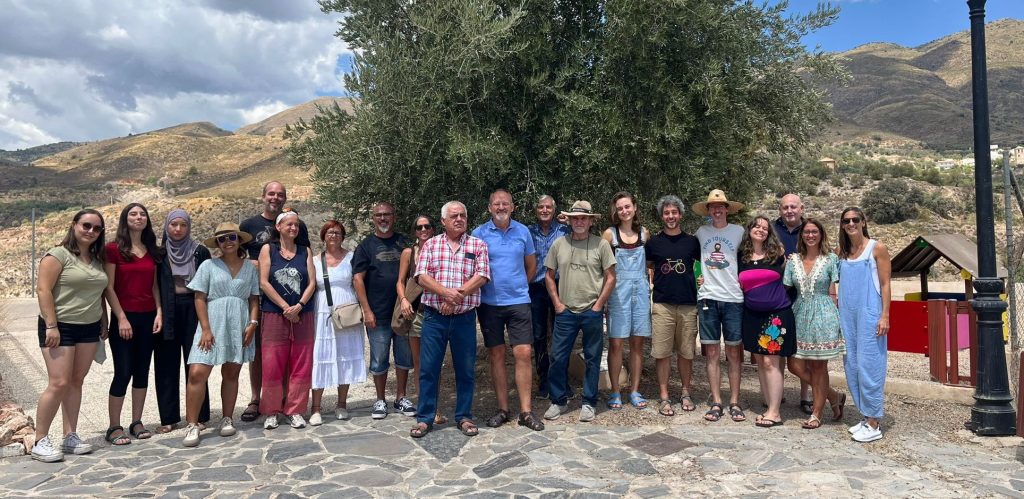
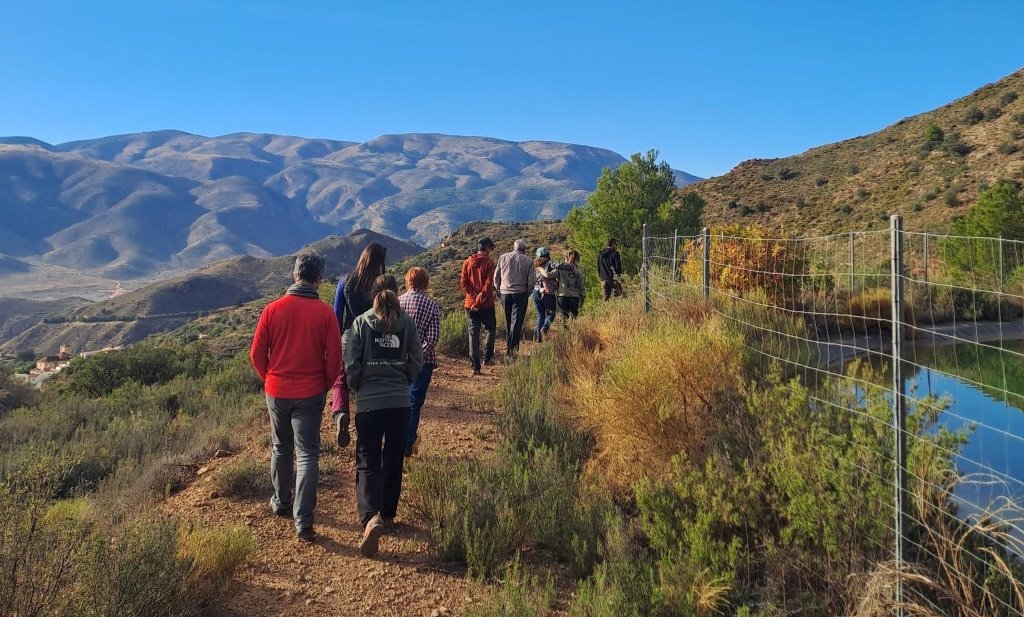
Finally, Water Management projects focus on understanding and safeguarding sustainable water cycles and building resilience with nature-based solutions. The Local Action Group (LAG) Valle de Alcudia in Spain has initiated a participatory approach to address the environmental challenges and explore sustainable water use in mining activities. Their thematic expert gave valuable advice on how to develop a sound solution for cleaning water to be reused in farming. They held mining sector roundtables to foster dialogues amongst diverse stakeholders and a study visit is planned to Cobre las Cruces, a mining company noted for its sustainable processes. Other sustainable water projects combine regenerative farming practices with water conservation techniques, creating a regional system to help mitigate drought, teaching people to integrate rainwater retention practices in their home gardens, developing cross-border regional water governance, or working towards water conservation in an agri-cultural landscape of a valley. Together, these 10 water projects show how sustainable practices can enable communities to climate adaptation and resilience.
Overall, the C4C projects are paving the way for a just eco-social transition, climate adaptation, and regenerative development by strengthening the agency, capacities, and support of local communities to be drivers of transformation. Whether through biodiversity restoration, circular economy, renewable energy, or water management, these initiatives highlight how community-led action can lead to lasting environmental, economic, and social change and planetary well-being.ECOLISE is a participating consortium member, along with colleagues AEIDL, the European Association for Innovation in Local Development and ReScoop, the European Federation of Citizen Energy Cooperatives, and network member DRIFT, the Dutch Research Institute for Transition. Learn more about the project here. Look at the project summaries of all 50 selected local projects, visit the official C4C website, or contact Laura Kaestele, C4C expert pool coordinator laura.kaestele@ecolise.eu.